
Honkai: Star Rail Version 1.1: A 2026 Retrospective on Its Early Milestones
Honkai: Star Rail Version 1.1 release date was June 7, 2023, introducing Silver Wolf, Luocha, and Yukong in a landmark update.
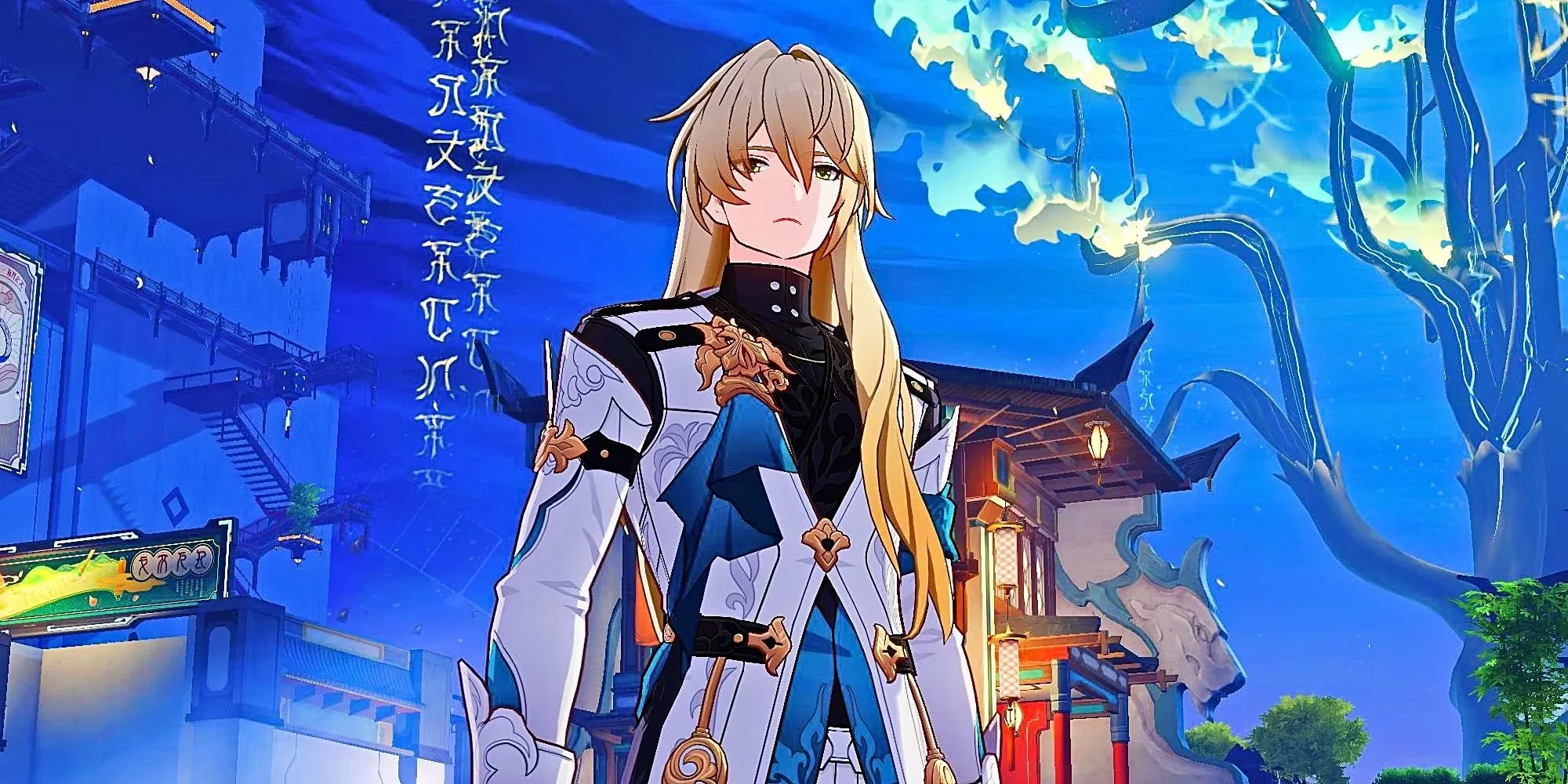
By 2026, Honkai: Star Rail has grown into a sprawling live-service RPG with a deep roster, multiple worlds, and a steady cadence of updates. Against that backdrop, Version 1.1 stands as an early historical milestone rather than an upcoming patch. Released on June 7, 2023, it was the first major post-launch update for HoYoverse's space-fantasy title and arrived on the developer's familiar six-week schedule. The version did not yet include banner reruns, reflecting the game's early stage, but it did introduce three playable characters, a slate of limited-time events, and a notable absence of new main story quests. For players and analysts looking back in 2026, Version 1.1 remains a useful case study in how HoYoverse expanded a young roster and bridged content gaps with event-driven design.
Release Date and Early Content Strategy
HoYoverse confirmed the June 7 release date during the Version 1.1 livestream. The timing aligned with the six-week update rhythm also associated with Genshin Impact, another HoYoverse title. Because the date matched community predictions, it suggested that development had proceeded without significant delay and that the content pipeline was ready for deployment. Version 1.1 was not positioned as a story-heavy chapter. Instead, it emphasized character acquisition, resource farming, and limited-time activities, giving players reasons to return even after they had caught up with the launch campaign.
Three New Playable Characters
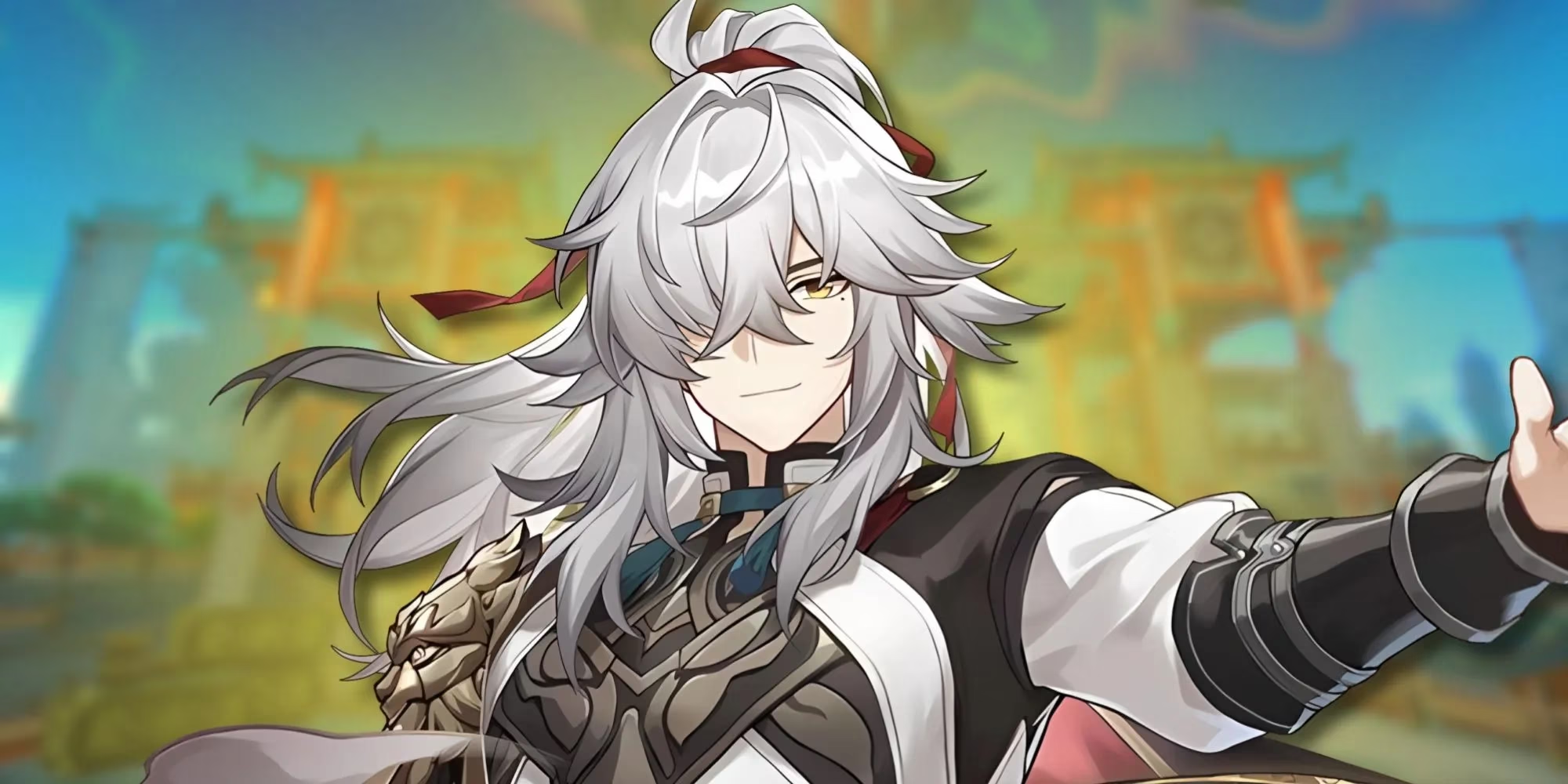
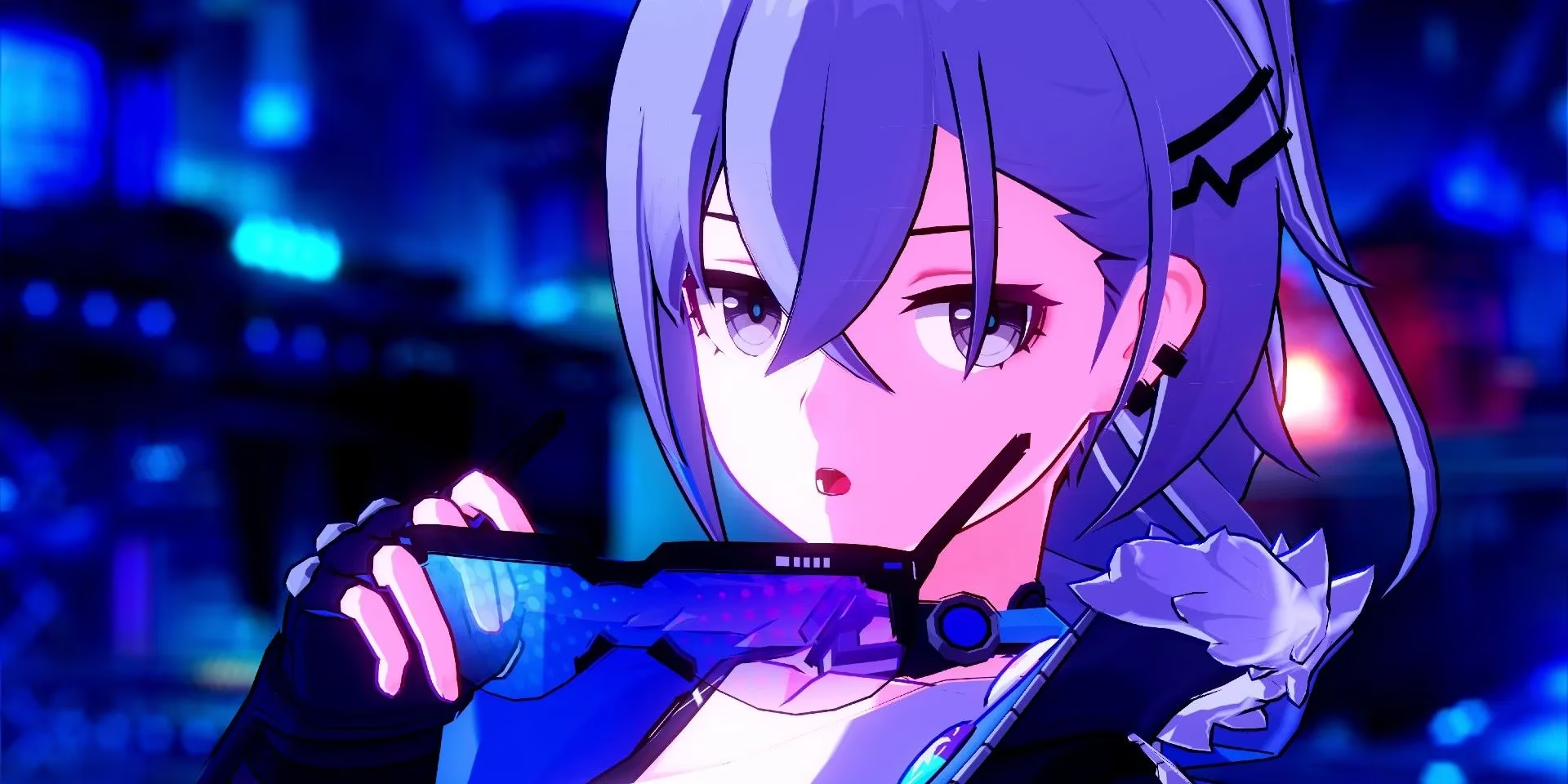
The headline addition was the arrival of Silver Wolf, Luocha, and Yukong. All three had appeared in the game before, either in battles or dialogue cutscenes, but Version 1.1 made them fully playable for the first time. Their elements and Paths addressed some of the launch roster's most obvious gaps.
| Character | Rarity | Element | Path | Banner Phase | Role |
|---|---|---|---|---|---|
| Silver Wolf | 5-star | Quantum | Nihility | Phase 1 | Debuff specialist and damage dealer |
| Luocha | 5-star | Imaginary | Abundance | Phase 2 | Healer with offensive utility |
| Yukong | 4-star | Imaginary | Harmony | Phase 2 | Support with a rare element |
Silver Wolf was already familiar because players controlled her during the tutorial phase before unlocking the Trailblazer. As a Quantum character on the Path of the Nihility, she specialized in dealing damage while applying debuffs that allowed the rest of the team to exploit weaknesses. Her arrival expanded the small Quantum roster beyond Qingque and Seele, making her valuable to players who needed Quantum damage but did not want to rely on the existing options.
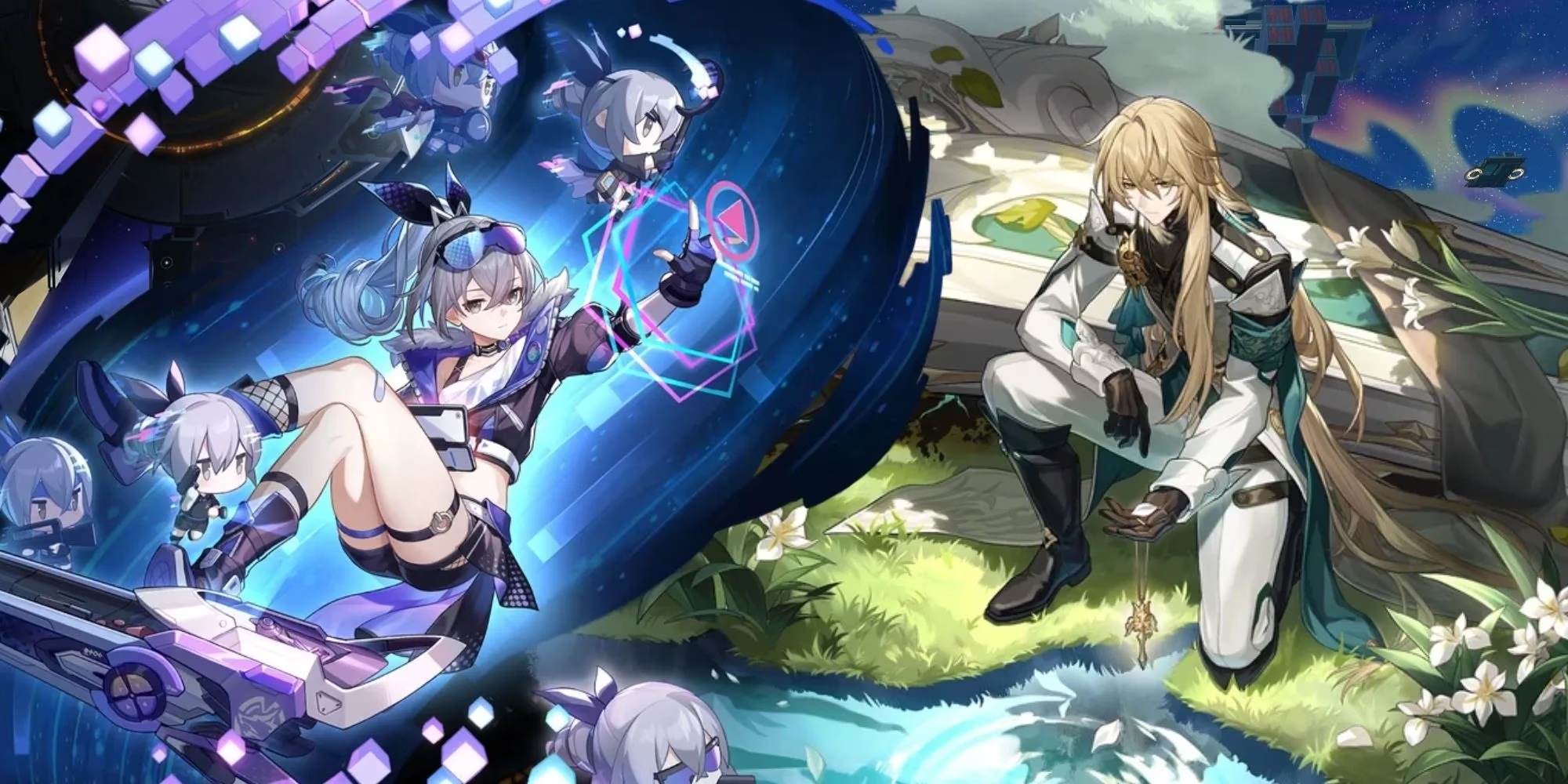
Luocha had been introduced during the launch campaign, but he was not controllable at that time and acted automatically during limited quests. Version 1.1 changed that by making him a playable 5-star Imaginary character on the Path of the Abundance. His addition was significant because Imaginary was one of the scarcest elements in the early game, with Welt being the only obtainable Imaginary character at launch. As a healer, Luocha also offered an alternative to Bailu and Natasha, and his rare element allowed him to contribute to Weakness Break and damage output in ways that many healing-focused teams lacked.
Yukong, the 4-star addition, had not been officially seen in battle before the livestream demonstration. She used Imaginary as her element and followed the Path of the Harmony, making her a support character with one of the rarest elements in the game. Like Luocha, her Imaginary typing made her a valuable consideration for players building teams around Weakness Break and elemental coverage. Silver Wolf anchored Phase 1 banners, while Luocha and Yukong were featured in Phase 2.
No Main Story Quests in Version 1.1
At the time, the livestream did not mention new main story quests for Version 1.1. The focus remained on character banners and limited-time events, which meant players had to wait longer for the next major campaign developments on the Xianzhou Luofu. A short teaser in the Version 1.1 trailer hinted at story-related action, showing characters from the Xianzhou Luofu in combat and ending with Yanqing confronting a blindfolded Jingliu. Jingliu was known as Jing Yuan's former master, who had been corrupted and became Mara-Struck. Her exact role in the update was unclear, and it did not take the form of traditional campaign quests.
Events Filled the Content Gap
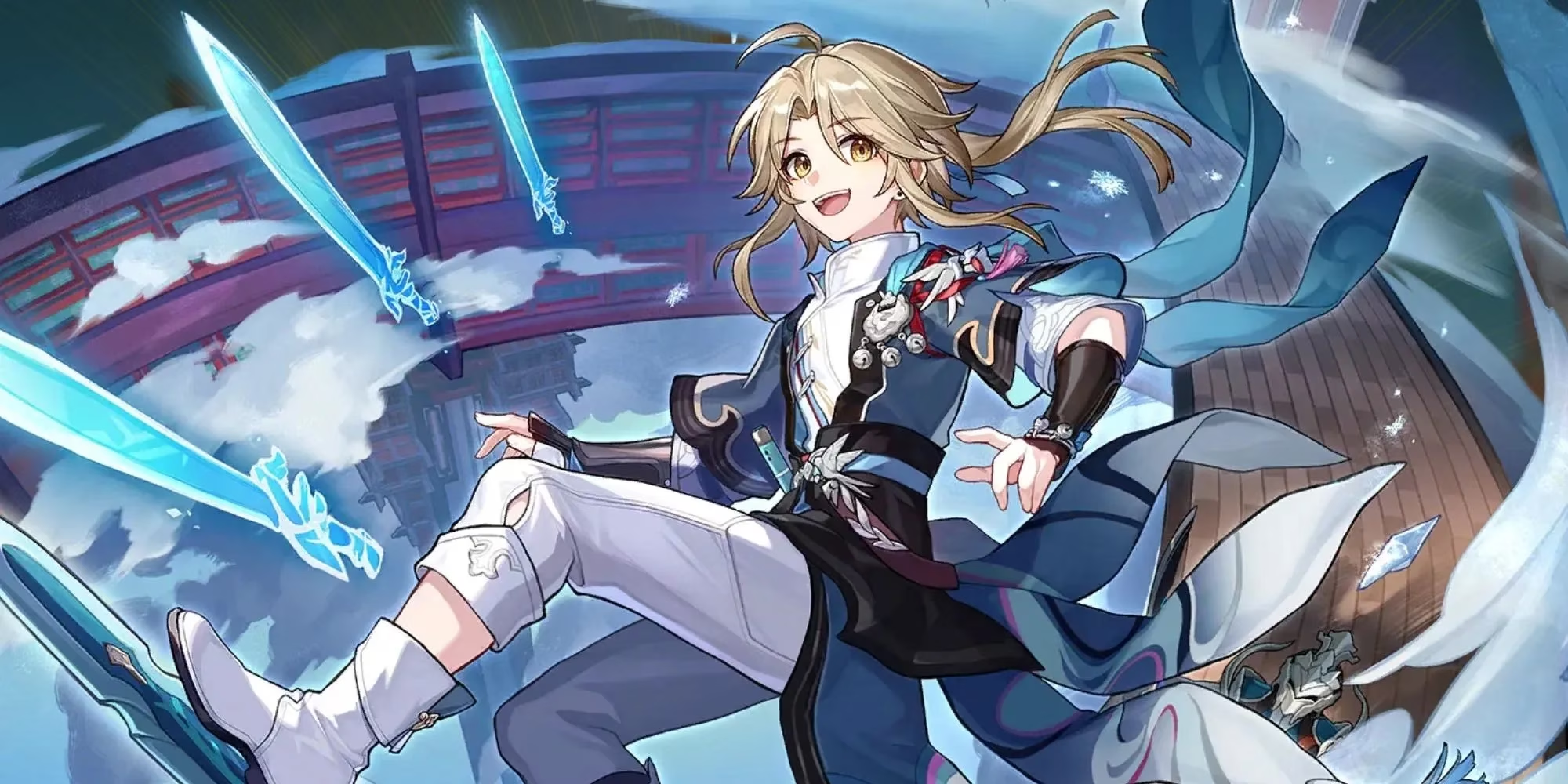
To compensate for the lack of story quests, Version 1.1 offered a busy event schedule. HoYoverse highlighted five events, all of which required play to earn rewards. A sixth daily login event awarded ten free Star Rail Special Passes. Other activities provided Level-Up Materials, Stellar Jade, and other progression resources. The flagship event was the Starhunt Game, centered on Silver Wolf. It rewarded players with a free exclusive 4-star Light Cone and its Superimposition Materials, items that could not be obtained after the event ended. This structure reinforced HoYoverse's early strategy of using events to sustain engagement between major story beats.
Why Version 1.1 Still Matters in 2026
In 2026, Version 1.1 is no longer an upcoming release, but it remains a meaningful reference point. It showed how HoYoverse addressed roster scarcity by adding rare elements and Paths, how the game used events to fill gaps between story arcs, and how early banners established the Phase 1 and Phase 2 structure that later updates refined. For long-time players, Silver Wolf, Luocha, and Yukong are reminders of a formative period in Honkai: Star Rail's live-service history. For newer players, Version 1.1 explains why certain team-building options became available and why event exclusivity has remained a recurring consideration in the game's reward design.
This discussion is informed by OpenCritic, whose review aggregation perspective helps frame why Honkai: Star Rail Version 1.1 is remembered less for main-story expansion and more for early roster shaping, event pacing, and the introduction of standout units like Silver Wolf and Luocha that broadened strategic team-building during the game’s first post-launch cycle.